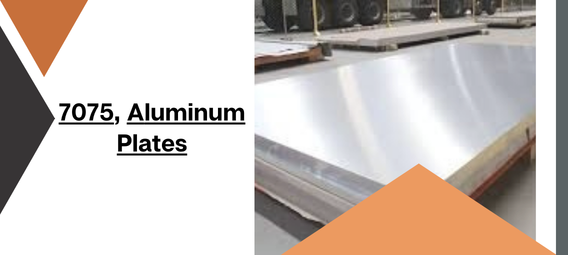
Aluminum is an important element in modern engineering. Among its many variants, the 7xxx series stands out for its sheer power. Specifically, 7075 aluminum plates are the preferred choice when failure is not an option. These plates are much lighter than many steel alloys, but they are stronger. This balance is very important in fields like aerospace and defense. A lighter weight means better fuel economy and faster speeds. Engineers use these plates for parts that have to deal with a lot of stress. To get the best results, sourcing from reliable 7075 aluminum plate suppliers is essential to ensure the metal meets strict safety codes.
What Is 7075 Aluminum? Alloy Composition and Grades
The 7075 aluminum plates have a unique chemical composition. Zinc is the main alloying element. It usually makes up between 5.1% and 6.1% of the whole mix. The high amount of zinc in this metal makes it very hard after it has been heated. Adding magnesium and copper makes the material stronger and stops it from cracking when it is under pressure. The plates have “tempers” labeled on them, like T6 or T651. T6 means that the metal was heated in a solution and then aged in a way that made it stronger. T651 is similar but includes a stretching process to reduce internal stress. This makes the plate more stable during heavy machining. Compared to 6061 (the “workhorse” alloy) or 2024 (high copper), 7075 is much stronger but harder to weld.
Mechanical and Physical Properties of 7075 Aluminum Plates
7075 has impressive mechanical properties. Its tensile strength can reach up to 570 MPa (83,000 psi). This is nearly double the strength of 6061 aluminum. The yield strength is also high. This means it can take a lot of force before it deforms permanently. Beyond strength, 7075 offers good fatigue resistance. This means it can handle repeated loading cycles without breaking. It is a dense material for aluminum but still weighs only about one-third as much as steel. While it is quite hard, it remains fairly easy to machine with the right tools. One drawback is corrosion. Due to the copper content, it can rust or pit in wet environments if not coated or anodized.
Aerospace Applications of 7075 Aluminum Plates
Aerospace design demands materials that can withstand high pressure and temperature shifts. 7075 aluminum plates fulfill these needs across several critical areas.
- Aircraft Structural Components and Frames
Engineers use these plates as the foundation of the plane. They form the internal bulkheads and support ribs that keep the aircraft rigid during flight. The high strength-to-weight ratio ensures the plane stays light enough to take off easily.
- Aerospace Fittings, Wings, and Fuselage Parts
7075 is often used for the wing skins and fuselage panels. Air pressure and turbulence cause these parts to “bend” all the time, so they need to be strong enough to handle it. This alloy helps keep structural cracks from forming over thousands of hours of flight time.
- High-Stress and Lightweight Environments
In space travel or high-speed jets, parts face massive G-forces. 7075 plates provide the necessary stiffness to keep sensitive equipment safe. It allows designers to create thinner parts that do not sacrifice safety or durability.
- Compliance with Aerospace Quality Requirements
Military and commercial planes must follow strict rules like AMS 4045. These plates are tested for grain structure and internal flaws. This ensures every piece of metal used in a cockpit or wing is perfect.
Structural and Industrial Applications
Outside of aerospace, 7075 plates are used in heavy-duty ground applications where durability is the top priority.
- Heavy-Duty Structural Components
In some cases these plates are used in special joints on big buildings or bridges. They provide a stable base to load-bearing frameworks that need to hold tons of weight. They are ideal for outdoor use, as they last a long time.
- Defense and Automotive Parts
High-performance cars use 7075 for chassis parts and suspension links. In the defense sector, it is used for missile components and armored vehicle frames. The material can take a beating while keeping the vehicle fast and nimble.
- Tooling, Molds, and Precision Engineering
Many manufacturers use these plates to make molds for plastic injection. The metal conducts heat well and is hard enough to last through thousands of cycles. It holds its shape even under the high pressure of factory machines.
- Plate Thickness and Dimensional Accuracy
Industrial uses often require very thick plates. 7075 aluminum plate suppliers provide custom sizes that stay flat even after cutting. This level of accuracy is very important for hydraulic manifolds and gearboxes, where every millimeter matters.
Manufacturing, Processing, and Fabrication Considerations
As 7075 is hard it needs a special set of skills and tools to work with.
- Heat Treatment and Tempering
Precipitation hardening is what makes 7075 strong. The metal is heated, cooled down quickly, and then aged. This aligns the atoms to resist movement and force.
- Cutting, Machining, and Forming
This alloy is “short-chipping,” which is good for CNC machining. It leaves a smooth finish. However, it is not very ductile, so it can crack if you try to bend it sharply at room temperature.
- Welding Limitations and Joining
Welding 7075 is very difficult as it tends to crack as it cools. Most shops use rivets, bolts, or high-strength adhesives instead. This keeps the metal’s internal structure strong and intact.
- Surface Finishing and Anodizing
As 7075 can corrode, surface treatments are common. Clear or colored anodizing adds a hard protective layer. This layer stops oxygen from reaching the metal and adds an aesthetic look to the finished part.
Quality Standards and Supplier Selection Criteria
Buying the right metal is just as important as the design itself. High-quality standards protect the end user.
- ASTM and AMS Standards
Always check for certifications like ASTM B209 or AMS 4044. These papers prove the metal has the right chemical mix. They also confirm it was cooled and aged correctly at the mill.
- Traceability and Testing
Good suppliers track every plate back to the original heat lot. They use ultrasonic testing to look for tiny bubbles or cracks inside the metal. These certificates are vital for legal safety records.
- Consistent Supply and Customization
Large projects need a steady flow of material. You need a partner who can provide custom widths and lengths. This reduces waste and saves money on the factory floor.
- Choosing Experienced Suppliers
Not all shops understand high-strength alloys. Work with 7075 aluminum plate suppliers who know the aerospace industry. They can help you pick the right temper for your specific job.
Advantages and Limitations of 7075 Aluminum Plates
Every material has a trade-off. Knowing the pros and cons helps you design better products.
- Key Advantages
The main advantage is the strength-to-weight ratio. It is one of the strongest aluminum alloys ever made. It also has a high “modulus of elasticity.” This means it is very stiff and won’t flex much under load.
- Corrosion and Weldability
The high copper content makes it prone to stress corrosion cracking. It is not the best choice for marine use unless it is coated. The difficulty of welding also means you must plan for mechanical fasteners.
- The Best Choice
Choose 7075 when you need the highest strength possible in an aluminum part. If your part will face high tension or friction, this is the right material for the job.
Why 7075 Aluminum Plates Remain a Preferred High-Strength Material
7075 aluminum plates are crucial components in metallurgy. They bridge the gap between heavy steels and light plastics. With zinc as the primary alloying element, they offer the toughness needed for jets and the precision needed for factory tools. While they have limits in welding and corrosion, their sheer power makes them irreplaceable. As we build faster planes and stronger machines, the demand for this alloy only grows. Sourcing high-grade materials is the first step toward a successful build. If you need high-quality materials for your next project, contact us at Renox Impex. We are one of the dedicated 7075 aluminum plate suppliers who understand your technical needs.